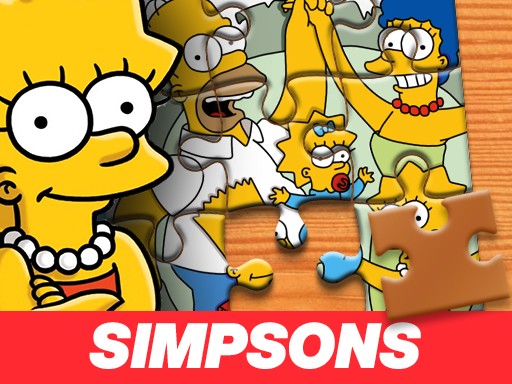
The Simpson Jigsaw Puzzle offers a straightforward and satisfying puzzle experience. The three difficulty levels provide good replayability, allowing you to start easy and progress to harder challenges. The transparent outline guide makes it accessible for beginners while still engaging for experienced players. The image is well-designed and pleasant to assemble. It is a solid choice for a quick mental break or a longer session.
The Simpson Jigsaw Puzzle is a family-friendly puzzle game that invites players to assemble a colorful image featuring characters from the popular Simpson universe. As a new addition to the Puzzle category, it offers a fresh challenge for puzzle enthusiasts of all ages. The core objective is to drag and drop scattered pieces into their correct positions to complete a full picture. Its charming design and adjustable difficulty levels make it stand out from other puzzles, providing a relaxing yet engaging experience for beginners and experts alike.
To play, players first choose a difficulty level—easy, medium, or hard—which determines the number of pieces and complexity. Once selected, the puzzle pieces are randomly scattered on the screen. Using a mouse or touch input, players drag each piece over a transparent outline where it fits. The goal is to connect all pieces until the image matches the original picture. The intuitive interface makes it easy to pick up, requiring only simple drag-and-drop actions to progress.
The game includes three difficulty levels to suit different skill levels, ensuring a tailored challenge. A transparent outline guide helps players place pieces accurately, reducing guesswork. The interface is simple and intuitive, requiring only a mouse or touch to play. The colorful and engaging image appeals to fans of the theme, while the puzzle format promotes relaxation and focus. As a puzzle game, it may include features like piece rotation or hints, though these are not specified in the available information.
Start with the easy difficulty to familiarize yourself with the piece shapes and the drag-and-drop mechanics. Look for edge pieces first, as they form the border and provide a framework for the rest of the puzzle. Use the transparent outline as a guide to identify where each piece belongs. Take breaks if you feel stuck, as a fresh perspective can help you spot connections. Practice regularly to improve your speed and pattern recognition, which will help you tackle harder levels with confidence.
Engaging story and relaxing puzzles. Great for all ages. Smooth gameplay with no pressure.
A gentle hidden-object game for young Ben 10 fans. Clean visuals and no time pressure make it perfect for family play.
Clean design and smooth gameplay. Great for short breaks or relaxing evenings.
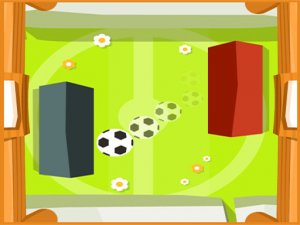
A fun mix of soccer and tennis. Simple controls and fast matches make it perfect for short breaks.

Clean interface and smooth controls. A relaxing puzzle that fits any break time.

Easy to play with many outfit choices. Great for fans of dress-up games and Winx Club.

Engaging hidden object game with clever puzzles. Safe and fun for all ages.

Simple and creative dress up game. Great for Power Rangers fans who enjoy designing heroes.