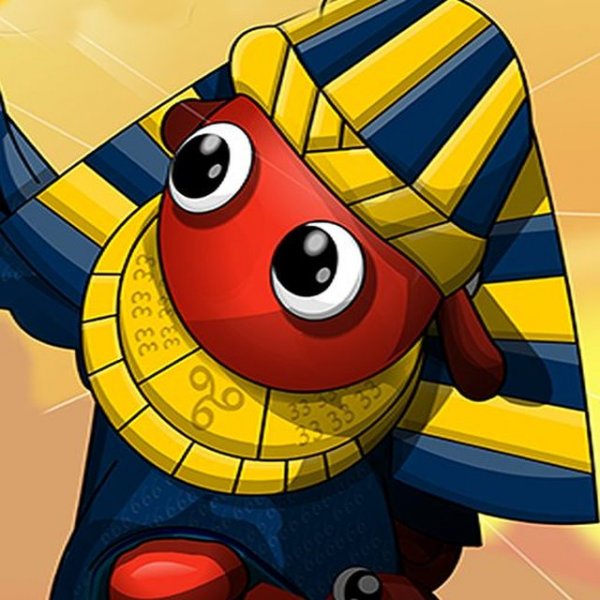
Dibbles 3: Desert Despair provides a solid puzzle experience with 44 levels that gradually increase in difficulty. The item placement system is intuitive, and the desert theme is visually pleasant. The game encourages strategic thinking without being overly complex. It has good replay value for those who enjoy optimizing solutions. A reliable choice for family-friendly puzzle gaming.
Dibbles 3: Desert Despair is a puzzle game where players guide an ant king and his group through an Egyptian desert setting. The core objective is to help the ants travel safely from one pyramid to the next across a series of levels. Each level presents a unique layout with obstacles that require thoughtful planning. The game is designed for players who enjoy logical challenges and strategic thinking, offering a calm yet engaging experience. Its desert theme and ant characters create a lighthearted atmosphere suitable for puzzle enthusiasts of all ages.
To play, examine the level layout and identify the path the ant king needs to follow. At the bottom of the screen, various items are available that can assist the ants. Players click and drag these items to strategic positions on the playing field. Each item serves a specific purpose, such as creating a bridge or blocking a hazard. The ant king will automatically follow the path you create. Success depends on placing items in the correct order and location. As you advance, levels become more challenging, requiring you to adapt your strategy and think several steps ahead.
The game includes 44 levels with progressive difficulty, offering a steady increase in complexity. Strategic item placement is a key mechanic, requiring players to decide where and when to use each tool. The content is family-friendly and suitable for all ages, with no time pressure, allowing players to solve puzzles at their own pace. Each level presents a new puzzle layout, providing variety and replay value. The game encourages logical thinking and planning without rushing.
Start by carefully observing the entire level before placing any items. Look for potential hazards and think about the order in which you will use your tools. Early levels often provide helpful clues, so pay attention to them. If you get stuck, try a different approach or consider what might happen if you place an item in a different location. Practice helps you recognize common patterns and improve your planning skills. Take your time—there is no penalty for thinking through your moves.
Clean, intuitive block puzzles with a relaxing pace. Great for kids and adults who enjoy logic challenges.
A fun mix of soccer and tennis. Simple controls and fast matches make it perfect for short breaks.
Smooth controls and fun stunts. Great for quick gaming sessions.
Clean design and smooth gameplay. Great for short breaks or relaxing evenings.
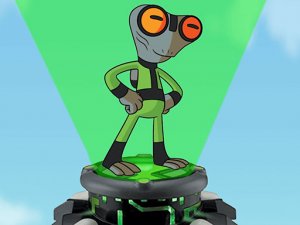
A gentle hidden-object game for young Ben 10 fans. Clean visuals and no time pressure make it perfect for family play.
Engaging hidden object game with clever puzzles. Safe and fun for all ages.
Clean design and smooth gameplay. Great for short breaks and logical thinking.
Clean design and smooth gameplay. Great for short breaks and improving focus.