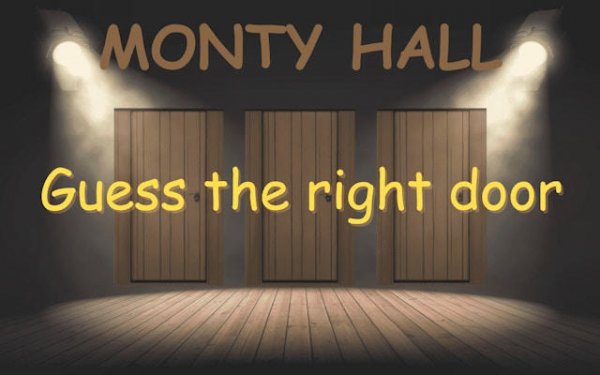
The Monty Hall Probability Puzzle Online Game is a well-designed simulation that makes a famous logic puzzle accessible. The interface is simple and distraction-free, focusing entirely on the core decision. Playing multiple rounds helps the counterintuitive result become clear through personal experience. It is a valuable tool for students or anyone interested in probability and cognitive biases. The replayability comes from testing different strategies and observing long-term trends.
The Monty Hall Probability Puzzle Online Game is an interactive simulation based on a classic logic problem from the television show Let's Make a Deal. It challenges players to understand probability and decision-making. You face three doors, with a prize hidden behind one. After making an initial choice, the host reveals an empty door from the remaining two. You then decide whether to stick with your first pick or switch to the last unopened door. This simple scenario reveals a surprising statistical truth. The game helps players see why switching gives a higher chance of winning. It is designed for anyone curious about math, logic, or cognitive biases. No prior knowledge is needed, and the game provides clear feedback after each round.
Start by selecting one of three closed doors. The host, who knows where the prize is, then opens one of the other two doors, always revealing a door without the prize. You are now given a clear choice: stay with your original door or switch to the remaining unopened door. Make your decision and click to open your final door. The result is shown immediately, and your win or loss is recorded. The game tracks your history, including how often you win when staying versus switching. Play multiple rounds to see the probability trends emerge from your own data. The interface is simple and intuitive, guiding you through each step.
Interactive simulation that brings a famous math puzzle to life. Learning through play, with immediate feedback after each round. Strategic decision-making is at the core of every move. No prior knowledge required, making it accessible to all ages. Tracks your results over multiple rounds to show statistical patterns. Clean and simple interface focused on the puzzle. Educational value that demonstrates cognitive bias and probability.
To improve your understanding, play multiple rounds and compare your win rate when staying versus switching. Pay attention to the feedback after each round to see why the probabilities work as they do. Consider keeping a mental note of your decisions to identify any patterns in your thinking. The key is to recognize that switching doors gives you a 2 in 3 chance of winning, while staying gives only a 1 in 3 chance. Practice regularly to internalize this counterintuitive result.
Clean drag controls and bright images. Great for quick mental breaks and improving focus.

Engaging hidden object game with clever puzzles. Safe and fun for all ages.

Clean design and smooth gameplay. Great for short breaks and logical thinking.
Clean, intuitive block puzzles with a relaxing pace. Great for kids and adults who enjoy logic challenges.
Creative digging puzzles with a basketball twist. Clean graphics and smooth physics. Great for quick mental breaks.

A sweet and simple puzzle with a lovely design. Perfect for unwinding.

Bright colors and smooth controls make this bubble shooter a relaxing choice for puzzle fans.

Clean design and smooth gameplay. Great for short breaks.